Which Gutter Material Is Best in Oklahoma? (2026 Guide for OKC Homeowners)
If you are searching for "which gutter material is best in Oklahoma," you need a solution that can handle severe storms, blistering heat, and the occasional hailstorm without breaking the bank. You have probably stood in your driveway after a spring thunderstorm, staring up at a gutter that is sagging, dented, or pulling away from the fascia board. That sinking feeling of knowing water is not flowing where it should is all too familiar for Oklahoma City homeowners. The right material makes the difference between a system that shrugs off a 60-mph wind gust and one that ends up in your neighbor's yard. This guide cuts through the noise to give you a definitive, local answer. We will compare the four major gutter materials (aluminum, steel, copper, and vinyl) specifically for the Oklahoma City climate, covering cost, durability, maintenance, and aesthetics. We will also contrast seamless versus sectional systems so you can make a confident decision.
Why Oklahoma’s Climate Demands a Specific Gutter Material
Oklahoma City does not have a mild climate. It has a climate that tests every component of a home's exterior. Wind gusts during severe thunderstorms routinely exceed 60 miles per hour, and the region sees some of the highest hail frequency in the country. Add in over 36 inches of average annual rainfall and temperature swings that can drop 40 degrees in a single day, and you have a perfect recipe for gutter failure.
Freeze-thaw cycles are particularly punishing. Water that seeps into tiny cracks or loose seams freezes overnight, expands, and widens those gaps. When the ice melts, the damage is worse than before. Over a single winter, this cycle can repeat dozens of times. Gutters that were perfectly fine in September can be leaking by March.
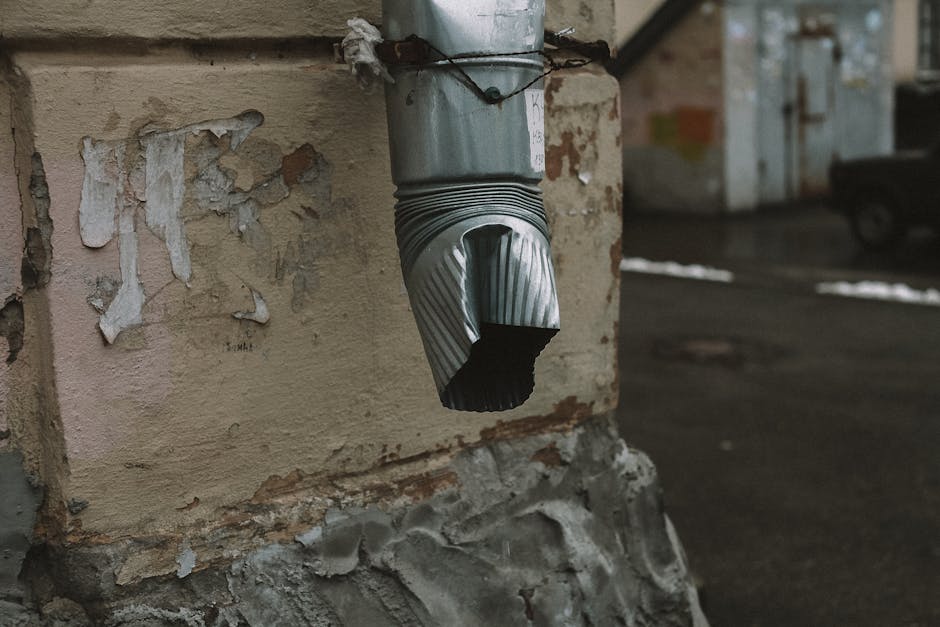
Photo by Nikita Nikitin on Pexels
Hail is another factor that many national gutter guides overlook. A hailstorm that leaves dents in your car hood will do the same to thin-gauge gutters. Those dents create low spots where water pools, leading to premature corrosion or overflow during the next rain. High winds compound the problem by twisting and pulling on gutter hangers. A material that is too brittle will crack under that stress. A material that is too soft will bend and lose its shape.
Choosing a gutter material designed for milder climates, like standard vinyl, is a gamble that Oklahoma homeowners lose every time. The material you select must resist denting, handle rapid temperature changes, and stay securely fastened when the wind howls.
If you believe your gutters are damaged, contact us today for a FREE inspection.
Material Face-Off: Aluminum vs. Steel vs. Copper vs. Vinyl
Every gutter material has strengths and weaknesses. The key is matching those characteristics to what Oklahoma's weather actually throws at your home. Here is how the four main contenders stack up.
Aluminum (The Modern Default)
Aluminum gutters have become the standard for Oklahoma City homes for good reason. They are lightweight, which makes installation faster and puts less strain on fascia boards. They are naturally rust-resistant, a critical advantage in a climate with frequent heavy rain. The cost typically runs $8 to $15 per linear foot installed for seamless aluminum, putting it in a sweet spot between budget and premium options.
The most common complaint about aluminum is denting. A direct hit from a large hailstone can leave a mark. However, modern heavy-gauge aluminum, available in .032 or .027 thickness, significantly improves impact resistance over the thinner .025 gauge that was standard a decade ago. For most OKC homes, upgrading to a heavier gauge eliminates the denting concern without jumping to the higher cost of steel.
Seamless aluminum is the configuration we recommend most often. Because the gutter is extruded on-site in a single continuous piece, there are no joints along the run to leak. In a downpour dropping two inches of rain per hour, that seamless design keeps water flowing to the downspouts instead of dripping through gaps onto your foundation.
Steel (The Heavyweight)

Photo by Taylor Hunt on Pexels
Galvanized steel gutters are the strongest option in the mid-range price category. They resist denting from hail and falling branches far better than aluminum. If your property has large overhanging trees or you live in an area that seems to attract every hailstorm, steel deserves a serious look.
The trade-off is weight and corrosion risk. Steel gutters are heavy enough that some fascia boards need reinforcement before installation. More importantly, galvanized steel relies on a zinc coating for rust protection. If that coating gets scratched during installation or by a falling limb, the exposed steel will begin to rust. In Oklahoma's wet springs, that rust can spread quickly. Steel gutters require more attentive maintenance, including periodic painting and inspection for scratches. Expect to pay $10 to $18 per linear foot installed.
Copper (The Premium Investment)
Copper gutters sit in a category of their own. They are extraordinarily durable, with a service life that can exceed 50 years. They do not rust. They do not need painting. Over time, copper develops a natural patina that shifts from bright metallic to deep brown and eventually to the distinctive blue-green verdigris seen on historic buildings.
The cost is the obvious barrier. At $20 to $28 or more per linear foot installed, copper can triple the price of an aluminum system. For a typical 200-foot gutter installation, that is the difference between roughly $2,500 and $5,600 or more. Copper makes sense for historic homes in neighborhoods like Heritage Hills, for homeowners who plan to stay in their house for decades, or for those who simply want the best and are willing to pay for it. It is not a practical choice for a budget-conscious homeowner who needs reliable water management.
Vinyl (The Budget Option)
Vinyl gutters are cheap, period. At $3 to $8 per linear foot, they are the most affordable option on the market. They are also the least suited to Oklahoma's climate. Vinyl becomes brittle in cold weather, and Oklahoma winters deliver enough freezing nights to cause cracking. In summer heat, vinyl expands and can warp or sag. UV exposure degrades the material over time, leading to fading and further brittleness.
For a permanent installation on a home you care about, vinyl is not recommended. It may have a place on a detached shed or a workshop where failure is not catastrophic, but on your primary residence, the money saved upfront will cost you in repairs and replacement within a few years.
Why Aluminum Is the "Best" Material for Most Oklahoma City Homes
For roughly 90 percent of Oklahoma City homeowners, seamless aluminum is the best balance of cost, durability, and weather resistance. It answers the question "which gutter material is best in Oklahoma" with a solution that works across the widest range of homes and budgets.
The seamless construction eliminates leak-prone joints, a critical advantage when heavy rain is a regular occurrence. Modern heavy-gauge aluminum, specified at .032 thickness, closes the dent-resistance gap with steel enough that most hail events will not cause damage. Aluminum is also available in a wide color range, from classic white to deep bronze, making it easy to match or complement any home exterior. It accepts paint well if you ever want to change colors down the road.
Perhaps most importantly, aluminum works seamlessly with gutter guard systems. If you plan to add leaf protection, which many Oklahoma homeowners do given our oak and pecan trees, aluminum gutters provide the most straightforward compatibility.
When Steel Gutters Are the Smarter Choice
Steel gutters deserve more attention than they typically receive in online guides. In certain Oklahoma situations, they are the smarter call.
If your home sits under a canopy of mature trees, steel's impact resistance becomes a daily asset. Falling branches, even small ones, can dent aluminum over time. Steel shrugs off impacts that would leave marks on other materials. Homes in particularly wind-exposed areas, such as those on open lots without windbreaks, also benefit from steel's rigidity. The extra weight that makes steel harder to install also makes it harder for wind to twist or pull away from the house.
The key to success with steel is commitment to maintenance. You must inspect the gutters annually for scratches in the galvanized coating and touch up any bare spots with cold galvanizing spray. If you are willing to do that, steel can deliver a 30-year service life that rivals or exceeds aluminum. At $10 to $18 per linear foot installed, it costs more than aluminum but substantially less than copper.
Seamless vs. Sectional Gutters: Which Installation Style Wins?
The question of seamless versus sectional gutters is almost as important as the material choice. The two styles differ fundamentally in how they handle water.
Seamless gutters are custom-formed on-site from a single coil of metal. A technician feeds the coil into a portable extrusion machine, which shapes it to the exact length needed for each run. The only seams in the system are at corners and downspout connections. This design eliminates the most common leak points and creates a cleaner, more finished appearance. For Oklahoma City's heavy rainfall, seamless is strongly recommended. The cost runs $8 to $28 per linear foot installed, depending on material.
Sectional gutters come in pre-cut lengths, typically 10 or 20 feet, that are joined together with connectors and sealant. The upfront cost is lower, ranging from $3 to $20 per linear foot. The problem is that every joint is a potential leak waiting to happen. Sealant degrades over time, especially under Oklahoma's intense sun and freeze-thaw cycles. Sectional systems also tend to look less polished, with visible seams interrupting the roofline.
To put this in perspective, consider a typical 60-foot gutter run for an Oklahoma City home. A seamless aluminum system for that run might cost between $480 and $1,680 installed, depending on gauge, home height, and downspout configuration. A sectional vinyl system might cost as little as $180 to $480. The savings look appealing until you factor in the near-certainty of leaks, the higher maintenance burden, and the shorter service life. For a permanent home improvement, the seamless investment pays for itself.
Gutter Style Matters: K-Style vs. Half-Round
Beyond material and construction method, the profile shape of your gutters affects both performance and appearance.
K-style gutters are the standard for Oklahoma City homes. Their name comes from the profile, which resembles the letter K when viewed from the side. The flat back sits flush against the fascia board, making installation straightforward. The angular front face mimics crown molding, blending with most architectural styles. More importantly, K-style gutters hold more water per linear foot than half-round gutters of the same width. In a heavy downpour, that extra capacity keeps water in the gutter instead of spilling over the edge.
Half-round gutters have a semicircular profile that is common on older and historic homes. They offer a more decorative, traditional look that pairs well with copper material. The downside is reduced capacity and more complex installation. Half-round gutters require special hangers and typically cost more to install than K-style. For homeowners in Edmond or Oklahoma City who are focused on function and cost, K-style is the practical recommendation. Reserve half-round for situations where architectural authenticity is the priority.
3 Local Factors That Change Your Gutter Decision
National buying guides cannot account for the specifics of your neighborhood or property. Here are three local factors that should influence your choice.
HOA and Building Code Requirements
Some Oklahoma City area neighborhoods, particularly in Edmond and Nichols Hills, have architectural guidelines that affect gutter selection. An HOA may require specific colors to maintain a uniform streetscape, or it may mandate copper gutters on certain styles of homes. Before you commit to a material, check your neighborhood's covenants. A quick call to your HOA board or a review of your closing documents can prevent an expensive mistake. City building codes in Oklahoma City generally do not restrict gutter materials, but they do govern downspout placement and drainage. Edmond Gutter Pros knows the local code requirements ensures your system is compliant from day one.
Leaf Load and Gutter Guard Compatibility
Oklahoma's mature trees, especially oaks and pecans, drop an enormous volume of leaves, tassels, and nuts each year. Your gutter material choice affects how well gutter guards integrate with the system. Aluminum gutters work with virtually every guard type on the market, from mesh screens to reverse-curve designs. Steel gutters are also broadly compatible but may require stainless steel guards to avoid galvanic corrosion. Copper gutters need copper or stainless steel guards to prevent a reaction between dissimilar metals. If you plan to add gutter protection, which we recommend for most Oklahoma homes, factor that compatibility into your material decision.
Professional Installation Matters More Than You Think
Even the best material fails if it is installed poorly. Gutters need proper slope toward downspouts, typically a quarter-inch drop for every 10 feet of run. Hangers must be spaced correctly and secured into solid wood, not just the fascia trim. Downspouts need to discharge water far enough from the foundation. A local installer who understands Oklahoma's specific challenges, including wind load requirements and freeze-thaw effects, is worth more than saving a few dollars with a general handyman. The warranty on your gutters is only as good as the company standing behind the installation.
Gutter Maintenance Schedule for Oklahoma City (2026)
Regular maintenance extends the life of any gutter system. Here is a schedule tailored to Oklahoma City's seasonal rhythms.
Spring, around April, is your first critical window. Pollen season coats gutters with a sticky film that traps debris. Clean the gutters thoroughly before storm season kicks into high gear. Inspect for any winter damage, including loose hangers, separated joints, or cracks that developed during freeze-thaw cycles.
Fall, in October, brings the heavy leaf drop from oaks and pecans. Clean the gutters after the majority of leaves have fallen but before freezing weather arrives. Check downspouts for clogs by running water through them with a garden hose. Standing water in a downspout that freezes can split the pipe wide open.
After any severe storm, do a visual inspection from the ground. Look for dents, sagging sections, or downspouts that have pulled away from the house. Catching minor damage early prevents major repairs later.
A pro tip for homeowners with seamless aluminum gutters and quality gutter guards: you can often reduce cleaning frequency to once per year. The guards keep the bulk of debris out, and the seamless design means there are no joints to trap small particles. That said, no system is truly maintenance-free. An annual inspection remains a wise investment.
(Schedule a FREE inspection today.)
Cost Comparison Table (Estimated for OKC, 2026)
Here is a straightforward cost breakdown for the Oklahoma City market this year. These figures represent installed prices per linear foot for a typical single-story home. Multi-story homes, complex rooflines, and additional downspouts will increase the total.
Vinyl (sectional): $3 to $8 per linear foot. Not recommended for permanent residential use.
Aluminum (seamless): $8 to $16 per linear foot. The best value for most Oklahoma City homes.
Steel (galvanized, seamless): $10 to $18 per linear foot. The most durable option in the mid-range.
Copper (seamless): $20 to $28 or more per linear foot. A premium investment with a 50-year-plus lifespan.
These ranges account for standard K-style profiles. Half-round or custom profiles will push costs toward the higher end of each range. Always get at least three quotes from local installers to ensure competitive pricing.
Conclusion: Your Next Step for the Best Gutters in Oklahoma
After comparing materials, construction methods, and local factors, the answer to "which gutter material is best in Oklahoma" is clear for most homeowners. Seamless aluminum gutters, specified in a heavy .032 gauge, deliver the best balance of cost, durability, and weather resistance for Oklahoma City's demanding climate. They resist rust, handle heavy rain without leaking, and come in colors that complement any home.
Upgrade to galvanized steel if your property faces exceptional impact risk from trees or if you are willing to invest extra maintenance for maximum strength. Choose copper if budget is not a constraint and you want a system that will outlast your mortgage, developing character and patina along the way. Avoid vinyl for any permanent installation on your home.
The material is only half the equation. Professional installation by a local team that understands Oklahoma's weather, building codes, and neighborhood requirements ensures your investment performs for decades. Ready to protect your home? Explore Your Options Today with Edmond Gutter Pros. Get a free, no-obligation estimate for your Edmond or Oklahoma City property and move forward with confidence.