Protect Your Oklahoma Home’s Foundation: The Role of Gutters and Smart Landscaping Irrigation
Your home’s foundation is under constant stress from Oklahoma’s unpredictable weather, and while most homeowners know that gutters are the first line of defense against roof runoff, few realize that landscaping irrigation in Oklahoma plays an equally critical role in keeping your slab stable. When soil around your foundation cycles between bone-dry and waterlogged, the resulting expansion and contraction can crack concrete, shift walls, and lead to repairs that easily top five figures. This guide explains how to design, install, and maintain an irrigation system that works with your gutters to protect your foundation, conserve water, and save you from costly structural damage.
Why Oklahoma Soil Makes Irrigation a Foundation Issue
Oklahoma’s clay-heavy soil is notorious among foundation repair contractors for a reason. Expansive clay acts like a sponge: it swells dramatically when wet and shrinks when it dries out, creating constant movement beneath your slab. This problem intensifies because our rainfall patterns are wildly inconsistent. A single week can bring flash flooding followed by a three-week dry spell, forcing the soil through extreme volume changes that stress concrete past its limits.
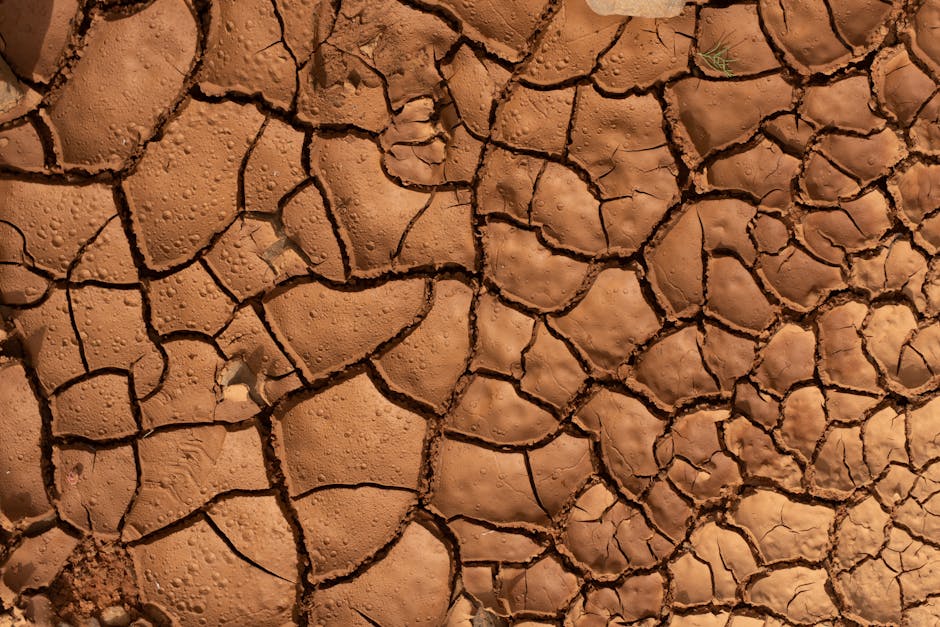
Photo by Raymond Petrik on Pexels
The danger multiplies when irrigation systems are poorly designed. A sprinkler head spraying directly against a foundation wall or a zone that runs too long on one side of the house can saturate the soil unevenly, causing differential settling. One corner of your home sinks while another stays put, and cracks appear in brickwork, drywall, and floor tiles. The Oklahoma City area averages about 36 inches of rain annually, but summer evaporation rates often outpace precipitation, making consistent moisture management essential. Your gutters direct roof water safely away from the house; your irrigation system must do the same for the lawn, keeping soil moisture consistent near the foundation without ever letting it become excessive.
Smart Irrigation Systems: The Foundation-Friendly Upgrade
Weather-Aware Controllers Prevent Overwatering
Smart irrigation controllers have transformed how Oklahoma homeowners manage water around their foundations. Brands like Hunter and Rain Bird now offer controllers that pull real-time weather data, track local rainfall, and monitor soil moisture levels to adjust watering schedules automatically. During Oklahoma’s volatile spring thunderstorm season, these systems skip scheduled cycles when the ground is already saturated, preventing the soil expansion that puts pressure on foundation walls. Local irrigation specialists recommend certified installation of these controllers, ensuring they are calibrated for Oklahoma’s specific climate patterns rather than generic regional defaults.
Photo by Akashni Weimers on Pexels
Zone Design for Foundation Protection
A properly zoned irrigation system treats the area immediately around your foundation differently from the rest of your lawn. Creating separate zones for the foundation perimeter gives you precise control over how much water reaches the soil within five feet of your slab. Foundation zones should use drip irrigation lines or low-flow spray heads positioned to deliver water gently without creating pools against the concrete. Custom zone design based on your property’s sun exposure, soil composition, and natural drainage patterns ensures moisture distributes evenly around the entire foundation, eliminating the dry spots and saturated pockets that cause differential settling.
Remember, proper gutter installation and runoff diversion is your first line of defense against foundation damage. Contact us today for your FREE inspection.
Cost vs. Value: What You’ll Invest
Installation costs for irrigation systems in Oklahoma City range from $0.50 to $2.50 per square foot, meaning a typical 5,000-square-foot lot will run between $2,500 and $12,500 depending on the number of zones, controller type, and system complexity. Smart controllers add $200 to $600 to the upfront cost but typically reduce water bills by 20 to 40 percent through more efficient scheduling. When you weigh that investment against the alternative, the math becomes clear: foundation repairs in Oklahoma routinely exceed $5,000, and major structural corrections can cost $15,000 or more. A foundation-protective irrigation system pays for itself the first time it prevents serious soil movement.
Seasonal Watering Guide for Oklahoma (2026 Update)
Spring in Oklahoma, from March through May, calls for moderate watering two to three times per week. Keep an eye on the forecast during this storm-heavy season and let your smart controller pause after significant rainfall. The goal is consistent moisture, not constant saturation.
Summer, from June through August, demands a different approach. Oklahoma lawns naturally go dormant in extreme heat, and fighting that process wastes water and risks over-saturating your soil. Reduce watering to once every 10 to 14 days during peak summer. Overwatering in high heat encourages shallow root systems and keeps clay soil in a perpetually expanded state, which is exactly what you want to avoid near your foundation.
Fall, September through November, is when you should resume a regular schedule until the first freeze arrives. Deep, infrequent watering of about one inch per week encourages roots to grow downward rather than spreading along the surface, creating a healthier lawn and more stable soil structure.
Winter, December through February, means stopping irrigation entirely. Drain and winterize your lines to prevent freeze damage, a service offered by several local irrigation companies including Grooms Irrigation. Letting your grass go dormant in summer and shutting down properly in winter are natural, water-saving strategies that also protect your foundation from the constant expansion and contraction that causes damage.
DIY vs. Professional Installation: What Homeowners Should Know
Many Oklahoma homeowners consider installing their own irrigation systems, and for certain applications, DIY makes sense. The upfront cost is lower, local hardware stores stock the necessary components, and small garden beds far from the foundation are straightforward projects. However, DIY irrigation carries real risks when foundation protection is the priority. Improper slope on supply lines can direct water toward your slab instead of away from it. Incorrect zone sizing leads to uneven coverage. Most DIY installers skip smart controllers entirely, missing the weather-responsive features that prevent overwatering during storms.
Professional installation brings certified specialists, often credentialed through the national Irrigation Association, who understand Oklahoma’s soil dynamics. Companies like SoonerOkie offer five-year warranties on their work, and professional designers account for local water restrictions and permit requirements. The recommendation is straightforward: for any irrigation zone that operates within five feet of your foundation, hire a professional. For remote vegetable gardens or flower beds well away from the house, DIY is a reasonable option.
Local Regulations and Water Restrictions in Oklahoma (2026)
Oklahoma City and Edmond enforce odd/even watering schedules during summer drought declarations, restricting which days you can run your system based on your street address. Most OKC metro municipalities require permits for new irrigation system installations, so check with your city’s building department before starting any project. Oklahoma state code mandates rain sensors on all new systems, a requirement that smart controllers satisfy automatically. Commercial properties, including retail centers and HOA-managed communities, face stricter backflow prevention standards than residential installations, so property managers should verify their contractor understands these additional requirements.
Choosing the Right Irrigation Partner in Edmond and OKC
Selecting an irrigation contractor who understands foundation protection means looking beyond basic installation skills. Seek out certified specialists with Irrigation Association credentials and deep local experience, ideally 30 to 40 years in the Oklahoma City market. Ask about warranties: a five-year guarantee signals confidence in workmanship and materials. Verify that the company handles both residential and commercial projects if you manage multiple properties. Request a free estimate that specifically includes a foundation-protection plan with a separate perimeter zone.
Frequently Asked Questions
Do landscapers do irrigation? Yes, many landscape contractors offer irrigation installation as a supplementary service, but dedicated irrigation specialists typically provide more thorough foundation-focused design and understand the soil dynamics that affect your slab.
When should I stop watering grass in Oklahoma? Late October to early November is the typical cutoff, or whenever overnight temperatures consistently drop below 40 degrees Fahrenheit. Winterize your system before the first hard freeze.
How much do sprinkler systems cost in Oklahoma? Expect to pay $0.50 to $2.50 per square foot, translating to $2,500 to $12,500 for a standard 5,000-square-foot residential lot.
Can irrigation cause foundation problems? Absolutely. A poorly designed system that saturates soil unevenly or directs water against the foundation can cause the very damage you are trying to prevent. Smart zoning and weather-aware controllers eliminate this risk.
Conclusion and Next Steps
Protecting your Oklahoma home’s foundation requires managing every source of water on your property, from the rain that hits your roof to the irrigation that waters your lawn. Gutters and downspouts handle the roof; a smart, well-designed irrigation system handles the soil. When both systems work together, your foundation stays stable through droughts, thunderstorms, and everything in between. Contact Edmond Gutter Pros for a FREE foundation drainage assessment and irrigation consultation tailored to your property. Landscaping irrigation in Oklahoma is not just about keeping your grass green: it is about protecting your home’s most valuable structural asset, and a properly designed system pays for itself many times over in avoided repairs and lower water bills.