The Ultimate Home Maintenance Checklist for Summer 2026
Summer 2026 is here, and with it comes the season that tests every system your home relies on. From punishing heat waves to sudden thunderstorms, the next few months will push your roof, gutters, air conditioner, and irrigation to their limits. This home maintenance guide is designed to help you protect your biggest investment without feeling overwhelmed. We will walk through every major system, but we are placing special emphasis on gutter care, roof integrity, and lawn and garden irrigation, the three areas that take the hardest beating during an Oklahoma summer and beyond. Even if you only get through part of this list, tackling the highest-priority tasks first will prevent the expensive failures that catch so many homeowners off guard.
Why Summer Maintenance Matters More Than You Think
The numbers tell a sobering story. According to a 2023 Today's Homeowner study, 60 percent of American homeowners have delayed home repairs due to high costs. Meanwhile, a 2024 Sears Home Services study found that over 54 percent of homeowners only perform maintenance on appliances when something breaks. This reactive approach is expensive. Industry guidance from the American Home Inspectors Training institute, cited by Bob Vila, suggests homeowners should expect to spend one to four percent of their home's value annually on maintenance. That figure sounds significant until you compare it to emergency repairs, which often run three to five times higher than scheduled upkeep.
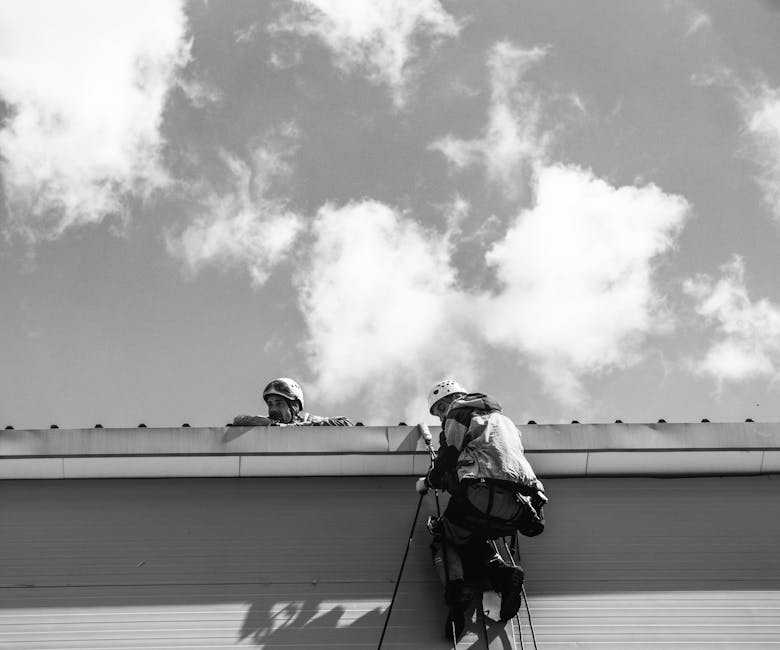
Photo by Дмитрий Рощупкин on Pexels
Summer amplifies every risk. Heat expands materials, creating gaps in gutters and roofing. Storms dump water faster than clogged drainage can handle. Air conditioners run continuously and fail when you need them most. Irrigation systems waste water and money when left unchecked. The break-fix cycle traps homeowners in a loop of stress and surprise expenses. This summer, you have the opportunity to step off that treadmill. The checklist ahead prioritizes the highest-impact tasks first. Complete what you can, and even a partial effort will shield you from the most common and costly disasters.
Gutter Care – Your Home's First Line of Defense
Inspect and Clean Gutters Before Storm Season Peaks
Summer thunderstorms, especially the sudden downpours common across Oklahoma and the central United States, overwhelm gutters that have been sitting neglected since spring. When water cannot flow freely, it spills over the sides and pools around your foundation. That standing water leads to fascia rot, basement flooding, and mosquito breeding grounds. The fix is straightforward but non-negotiable: clean your gutters at least twice per year, once in late spring and again in mid-fall. If your property has mature trees, add a third cleaning in late summer when seed pods and early leaf drop begin to accumulate.
For single-story homes with a straightforward roofline, DIY gutter cleaning is manageable with a sturdy extension ladder, heavy-duty gloves, and a garden trowel. For two-story homes or roofs with complex valleys and multiple pitches, professional inspection and cleaning is the safer, smarter choice. Edmond Gutter Pros regularly sees homeowners who attempted a second-story cleaning only to discover they lacked the right equipment or footing. The most telling sign that your gutters need immediate attention is water spilling over the sides during a rainstorm. That overflow means your downspouts are clogged or your gutters are undersized for the volume of water your roof collects.
Check Downspout Extensions and Drainage
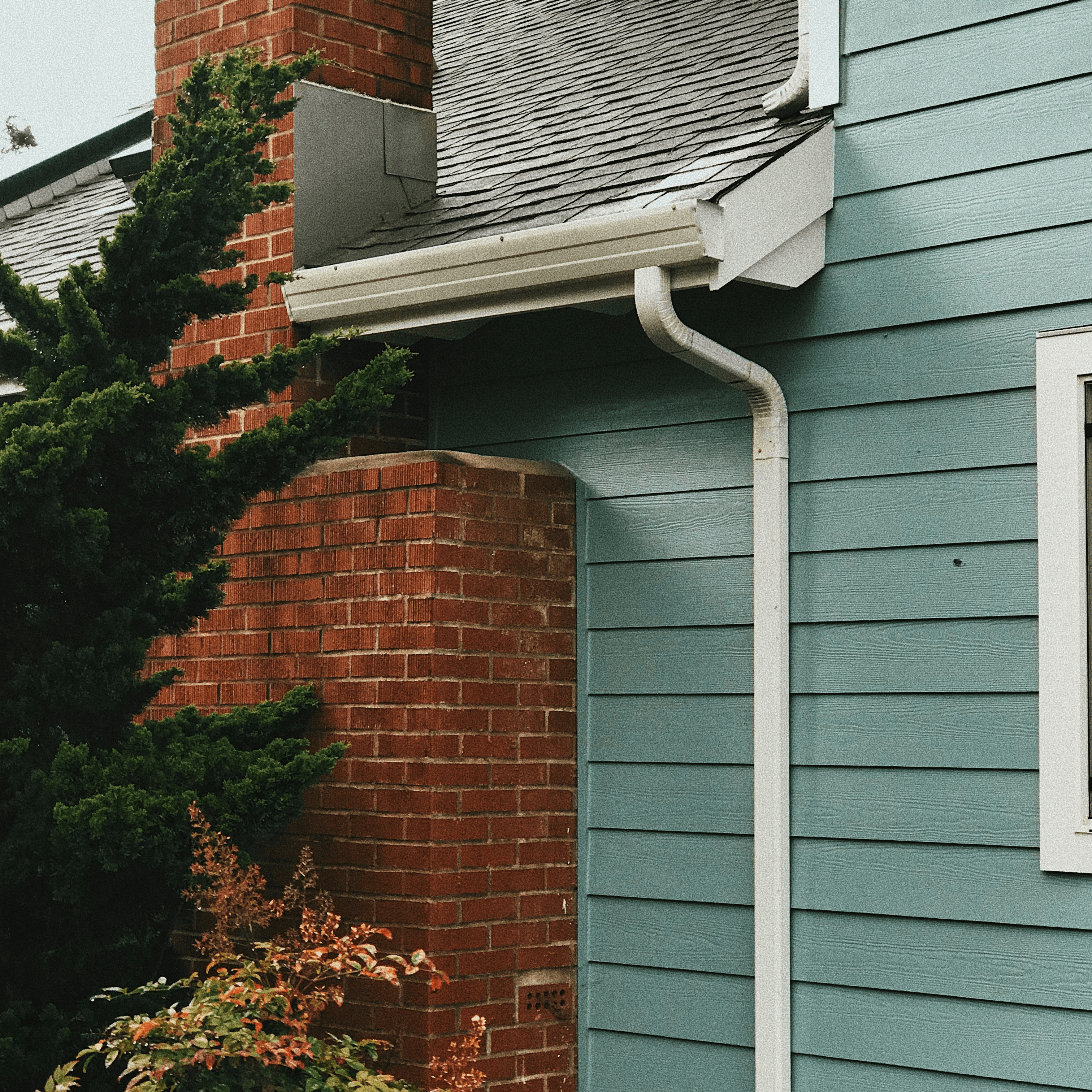
Photo by Zachary Keimig on Unsplash
Downspouts are only effective if they carry water away from your home. Every downspout should extend at least four to six feet from the foundation. Over time, lawn equipment, foot traffic, and soil settling knock extensions loose or disconnect them entirely. Walk the perimeter of your home and reposition any extension that has shifted. Then test each downspout with a garden hose. Run water through the gutter at the highest point and watch the outflow. If water backs up, you may have a clog in the buried drain line or a crushed pipe underground.
Pay attention to where water ends up after a storm. Pooling near the foundation is a red flag that demands correction. Installing downspout splash blocks is a simple fix for minor pooling. For persistent drainage issues, consider running underground drainage pipes that daylight downhill or connect to a dry well. The goal is simple: keep water moving away from your home at all times.
We can help with proper water diversion. Contact us today for a FREE inspection.
Inspect Gutter Fasteners and Seams
Summer heat expands metal gutters, and that expansion can cause seams to separate and fasteners to loosen. Walk the perimeter and look up at the gutter line. Gutters pulling away from the fascia indicate loose hangers or, worse, rotted wood behind the gutter that can no longer hold fasteners. Catch this early and the repair is minor. Let it go and you will be replacing fascia boards alongside your gutters.
Check every seam for leaks. A small drip at a seam can be patched with gutter sealant applied to a dry surface. If you find multiple seam failures or rusted-through sections, it is time to request a replacement quote. Catching and sealing these gaps during summer, before fall leaf season and winter freeze-thaw cycles, extends the life of your entire gutter system by years.
If you're unsure of what to look for, check out the 7 Warning Signs Your Home Needs Gutter Replacement.
Roof Maintenance – Protecting What's Over Your Head
Visual Roof Inspection from the Ground
You do not need to climb onto your roof to perform a meaningful inspection. A pair of binoculars and a slow walk around your property will reveal most common problems. Look for shingles that are curling at the edges, cracking across the face, or missing entirely. Summer heat accelerates shingle deterioration, and the damage is most visible right now. Check your gutters and downspout openings for an accumulation of granules, the sandy coating that protects shingles from UV damage. Excessive granule loss means your shingles are aging past their protective prime and may need replacement within a few seasons.
Flashing is the metal material that seals the joints where your roof meets chimneys, vent pipes, and skylights. Inspect these areas carefully. Summer storms exploit gaps in flashing that winter ice never created. Look for lifted edges, missing sealant, or rust spots. Flashing failures are the leading cause of roof leaks, and they are almost always repairable if caught early.
Attic Inspection for Early Warning Signs
On a bright, sunny day, enter your attic and turn off any lights. Let your eyes adjust to the darkness and look up. Shafts of light piercing through the roof deck mean you have holes that will let in water just as easily as sunlight. Next, scan for dark stains on the underside of the roof sheathing or on insulation. These stains indicate past or active water intrusion. Summer humidity can mask small, slow leaks until they become major problems, so do not assume a dry attic in July means you are leak-free.
Check your insulation for signs of rodent nesting or moisture compaction. Animals seek out attics for shelter, and their presence damages insulation and wiring. Ensure that soffit vents are unobstructed. Insulation that has been pushed over vent openings traps heat in the attic, raising your cooling costs and shortening the lifespan of your shingles by cooking them from below.
When to Call a Professional Roofer
The National Association of Home Builders recommends a professional roof inspection every three years. If your last inspection was in 2023 or earlier, schedule one for summer 2026. A qualified roofer sees what homeowners miss: nail pops, lifted shingles that look fine from the ground, deteriorated sealant around vents, and subtle sagging that signals a structural issue.
After any severe weather event, including hail, high winds, or tornado warnings, schedule an inspection even if your roof looks fine from the ground. Insurance adjusters often require documentation of a professional inspection to process storm damage claims. The cost of an inspection, typically between one hundred fifty and four hundred dollars, is a fraction of what a missed leak will cost you in interior repairs.
One of our favorite roofing resources is Roof.info. Their site is full of valuable information covering everything from roofing to gutters to solar panels.
Lawn, Garden, and Irrigation Systems
Sprinkler System Tune-Up
Run each irrigation zone manually and walk the property while it operates. Look for broken or misaligned sprinkler heads that spray water onto sidewalks, driveways, or the street. Summer 2026 may bring watering restrictions depending on your municipality, so efficiency matters more than ever. A single broken head can waste hundreds of gallons per cycle.
Watch for two specific problems. The first is a geyser, water shooting straight up from a broken riser, which indicates a head snapped off at the base. The second is misting, where a head produces a fine fog instead of distinct droplets. Misting wastes over thirty percent of the water through evaporation and wind drift before it ever reaches your lawn. Both issues require head replacement or adjustment. Check the backflow preventer and pressure regulator as well. These components fail silently and can cause system-wide pressure problems that damage every head on the line.
Irrigation Scheduling for Summer Heat
Adjust your controller to water in the early morning, ideally between four and six AM. This timing reduces evaporation loss and allows grass blades to dry before evening, which prevents fungal diseases. Evening watering leaves lawns wet overnight and promotes dollar spot, brown patch, and other costly turf diseases.
Deep, infrequent watering encourages deeper root growth and a more drought-resistant lawn. Aim for one to one and a half inches of water per week, delivered in one or two sessions. Shallow daily watering creates weak, heat-sensitive grass with roots that never grow deeper than the top inch of soil. If you have not already installed a smart irrigation controller, summer 2026 is the time. These devices adjust watering schedules based on local rainfall and evapotranspiration data, saving twenty to fifty percent on your water bill while keeping your landscape healthier.
Want to learn more on this topic? Check out our latest article - Protect Your Oklahoma Home's Foundation: The Role of Gutters and Smart Landscaping Irrigation.
Lawn and Garden Health Checks
Inspect your lawn for signs of grub damage. Brown patches that peel back like loose carpet are the classic symptom. Grubs feed on grass roots, and their damage peaks in late summer. Treat affected areas with milky spore or beneficial nematodes before the grub population spreads and attracts moles and skunks that will tear up your yard.
Check the mulch depth around trees, shrubs, and garden beds. Two to three inches is ideal. Summer sun bakes exposed roots and dries out soil rapidly. Replenish mulch where it has thinned, but keep it pulled back a few inches from tree trunks and shrub stems to prevent rot. Prune dead or damaged branches now, before summer storms turn them into projectiles. This is also the right time to inspect for bagworms on evergreens and other ornamental pests that are active during hot weather.
HVAC and Indoor Air Quality
Air Conditioning System Check
The standard recommendation is to change air filters every three months, but during peak summer usage, monthly changes are a better practice. A clogged filter restricts airflow, forces your system to work harder, and can cause the evaporator coil to freeze. For a household running the AC continuously from June through September, a fresh filter every thirty days is cheap insurance against a breakdown.
Head outside and inspect the condenser unit. Remove leaves, grass clippings, and debris that have accumulated around the base. Trim back vegetation so there is at least two feet of clearance on all sides. Restricted airflow around the condenser reduces efficiency and shortens the unit's life. Check the condensate drain line, typically a PVC pipe near the indoor air handler. A clogged drain line causes water to back up and can damage ceilings, walls, and flooring. Pour a cup of vinegar down the line to clear minor blockages, or use a wet-dry vacuum to suction out stubborn clogs.
Thermostat and Energy Efficiency
Program your thermostat to balance comfort and cost. Set it to seventy-eight degrees Fahrenheit when you are home and eighty-five when you are away. Each degree below seventy-eight adds three to five percent to your cooling costs. If seventy-eight feels warm, use ceiling fans to create a wind-chill effect that makes the room feel four degrees cooler.
If you have a smart thermostat, verify that its scheduling and geofencing features are working correctly. Summer 2026 is the time to confirm that the system automatically adjusts when you leave and return, before the hottest weeks make any malfunction painfully obvious on your energy bill. For systems over five years old, schedule a professional HVAC tune-up. A technician will clean the coils, check refrigerant levels, test electrical connections, and catch small issues before they become emergency repairs during a heat wave.
Interior Systems and Appliance Maintenance
Kitchen and Laundry Appliances
Pull your refrigerator away from the wall and clean the condenser coils. These coils, located either behind or underneath the unit, collect dust and pet hair that force the compressor to work harder. Dirty coils can increase energy consumption by up to thirty percent and shorten the refrigerator's lifespan. Run a cleaning cycle on your dishwasher using a commercial dishwasher cleaner or a cup of white vinegar placed in a dishwasher-safe container on the top rack. Check and clean the drain filter, which collects food debris and causes odors and poor drainage when neglected.
Inspect washing machine hoses for bulges, cracks, or leaks at the connections. Rubber hoses degrade over time and are a leading cause of residential water damage. Replace rubber hoses every three to five years with braided stainless steel hoses, which resist bursting and are a simple DIY swap that costs under thirty dollars.
Dryer Vent and Fire Safety
The Sears Home Services study found that more than half of homeowners do not regularly clean the dryer vent lint trap after each cycle. This small oversight is a leading cause of residential fires. Make it a habit to clean the lint trap before every load. Once per year, disconnect the dryer from the vent hose and vacuum out the hose and the vent opening in the wall. A clogged vent reduces drying efficiency, wastes energy, and creates a serious fire hazard. If your dryer takes more than one cycle to dry a load, your vent is almost certainly clogged.
Test every smoke detector and carbon monoxide detector in your home. Replace batteries if needed, and check the manufacture date on the back of each unit. The NAHB recommends replacing detectors every ten years. If your detectors were installed in 2016 or earlier, replace them now. The sensors degrade over time and may not activate when you need them most.
Water Heater and Plumbing
Flush your water heater to remove sediment that settles at the bottom of the tank. Sediment buildup reduces heating efficiency, causes popping noises, and can lead to premature tank failure. Attach a garden hose to the drain valve, run it to a floor drain or outside, and drain a few gallons until the water runs clear. If you have never flushed your tank and it is more than five years old, consider hiring a plumber to do a full flush and inspection.
Check for leaks under every sink and around every toilet. Summer humidity can mask small drips that lead to mold and water damage over time. Run your hand along supply lines and drain pipes to feel for moisture. Finally, locate and label your main water shut-off valve. If you have not done this since moving in, make it a priority this weekend. In a plumbing emergency, knowing exactly where to turn off the water can save thousands of dollars in damage.
Exterior and Structural Maintenance
Foundation and Grading
Walk the perimeter of your home after the next heavy rain. Look for areas where water pools against the foundation. This is the number one cause of basement and crawlspace moisture problems, and it is almost always correctable with better grading or drainage. Check foundation walls for cracks. Hairline vertical cracks are normal in poured concrete and usually harmless. Horizontal cracks, stair-step cracks in brick or block, or any crack wider than a quarter inch warrant professional evaluation by a structural engineer or foundation specialist.
The ground around your home should slope away from the foundation at a rate of at least six inches of drop over the first ten feet. If the grade has settled or slopes toward the house, regrade the area or install a swale to redirect water. This is labor-intensive work, but it is far cheaper than repairing a water-damaged foundation.
Proper gutter downspout installation and water diversion comes into play here as well.
Decks, Patios, and Outdoor Structures
Inspect deck boards for rot, splintering, or loose fasteners. Summer is when you will use your deck the most, and a structural failure can cause serious injury. Pay special attention to the ledger board where the deck attaches to the house. This connection point is the most common site of deck collapses, and it must be securely fastened with proper hardware. Check wooden structures for signs of carpenter ant or termite activity. Look for sawdust-like frass, hollow-sounding wood when tapped, and mud tubes on foundation walls. Summer is when these pests are most active and visible.
If it has been more than two years since your deck or fence was last sealed or stained, summer is the ideal time to apply a fresh coat. Warm, dry weather helps sealants cure properly and penetrate the wood. A quality sealant protects against UV damage, moisture, and the expansion and contraction that causes wood to crack and warp.
Garage and Vehicle Storage
Garage Door Maintenance
The NAHB recommends lubricating garage door moving parts every three months. Summer heat can dry out lubricant faster, so if your last application was in spring, you are due. Apply a silicone-based lubricant to rollers, hinges, springs, and the track. Avoid grease, which attracts dirt and gums up the mechanism. Test the auto-reverse safety feature by placing a two-by-four board flat on the ground where the door closes. The door should reverse upon contact and rise back up. If it does not, adjust the force settings or call a garage door technician.
Check the weatherstripping at the bottom of the garage door. Summer heat can cause it to crack, shrink, and pull away from the door, leaving gaps that let in pests, dust, and hot air. Replacement weatherstripping is inexpensive and slides into a channel on the bottom of the door.
Storage and Organization
Inspect stored items for signs of pest activity. Rodents, silverfish, and spiders seek out cool, dark spaces during summer heat. Look for droppings, chewed boxes, and webbing. If you find evidence of pests, address it before the infestation spreads to the rest of your home. Check for moisture or condensation on stored items, especially cardboard boxes placed directly on concrete floors. A dehumidifier in the garage can prevent mold growth during humid months and protect everything you store there.
Creating Your Home Maintenance Budget for 2026–2027
Apply the one to four percent rule to your home's value. For a three hundred thousand dollar home, that means budgeting three thousand to twelve thousand dollars annually for maintenance. Break that into monthly savings of two hundred fifty to one thousand dollars. Even the lower end of that range, set aside consistently, prevents the panic that sixty percent of homeowners feel when facing an unexpected repair.
For summer 2026 specifically, prioritize your spending on the highest-impact items. Budget for gutter cleaning at one hundred fifty to three hundred dollars, an HVAC tune-up at one hundred to two hundred dollars, a roof inspection at one hundred fifty to four hundred dollars, and an irrigation system check at seventy-five to one hundred fifty dollars. These four services alone prevent the vast majority of summer-related home damage.
Create a separate emergency fund for unexpected repairs with a target of twenty-five hundred to five thousand dollars. The homeowners who delay repairs often do so not because they are irresponsible, but because they lack liquid savings when something breaks. Building this buffer takes time, but starting now means you will be prepared when the unexpected happens. If you operate a home office, track all maintenance expenses for tax purposes. Some repairs and maintenance costs may be partially deductible.
Printable Summer 2026 Maintenance Checklist (Quick Reference)
Weekly tasks include changing your HVAC filter if you are on a monthly schedule, cleaning the dryer vent lint trap after every cycle, and inspecting for pest activity around the home's perimeter. Monthly tasks include testing smoke and carbon monoxide detectors, checking for leaks under every sink, and inspecting gutters after heavy rain to confirm water is flowing freely. Quarterly tasks include lubricating the garage door, flushing the water heater, inspecting the attic for leaks or pests, and checking exterior grading around the foundation.
For the summer 2026 season specifically, schedule professional gutter cleaning, a roof inspection, an AC tune-up, a sprinkler system check, deck sealing if needed, and a foundation inspection. Annual tasks include a professional roof inspection if yours is due, a deep clean of the dryer vent, water heater maintenance, and refrigerator coil cleaning. Print this section and post it in your garage or utility room as a reminder.
Frequently Asked Questions About Summer Home Maintenance
How often should I clean my gutters in Oklahoma? At least twice per year, once in spring and once in fall. Homes near trees should add a third cleaning in late summer when seed pods and early leaves begin to drop.
If you'd prefer a professional clean and inspect your gutters, contact us today!
Is a home maintenance guide the same as a home inspection? No. A home inspection is a one-time professional assessment, typically performed when buying or selling a home. A maintenance guide is an ongoing schedule of tasks you perform regularly to keep your home in good condition.
What is the most important summer maintenance task? Gutter cleaning and downspout inspection. Clogged gutters cause more expensive damage, including foundation issues and basement flooding, than any other single neglected task.
Can I do all of this myself? Many tasks are DIY-friendly, including filter changes, detector tests, and basic gutter cleaning for single-story homes. Gutter cleaning for two-story homes, roof inspections, and HVAC tune-ups are best left to professionals with the right equipment and training.
What if I am behind on maintenance? Start with the highest-risk items: gutters, roof, HVAC, and water heater. Do what you can yourself, and schedule professional help for the rest. Even partial progress protects your home from the most expensive failures - Just get started.
Conclusion – Your Home, Protected for the Season Ahead
Summer 2026 is your opportunity to be proactive rather than reactive. A few hours of maintenance now prevents thousands of dollars in repairs later. The tasks in this home maintenance guide are organized so that even a partial effort addresses the most critical risks first. Bookmark this page and share it with neighbors. Home maintenance is easier, and often more affordable, when an entire community stays on the same schedule. If gutter cleaning, roof inspection, or irrigation maintenance feels like more than you want to tackle alone, Edmond Gutter Pros is ready to help with professional, reliable service that keeps your home protected all season long. Contact us today to kickstart your 2026 summer maintenance routine.